
The building that could not buzz anyone in
One engagement that runs from the conduit in the wall to the app on the phone. Hardware, networking, physical install, software, and consulting — the same person on every part of it.
Live engagement · in progress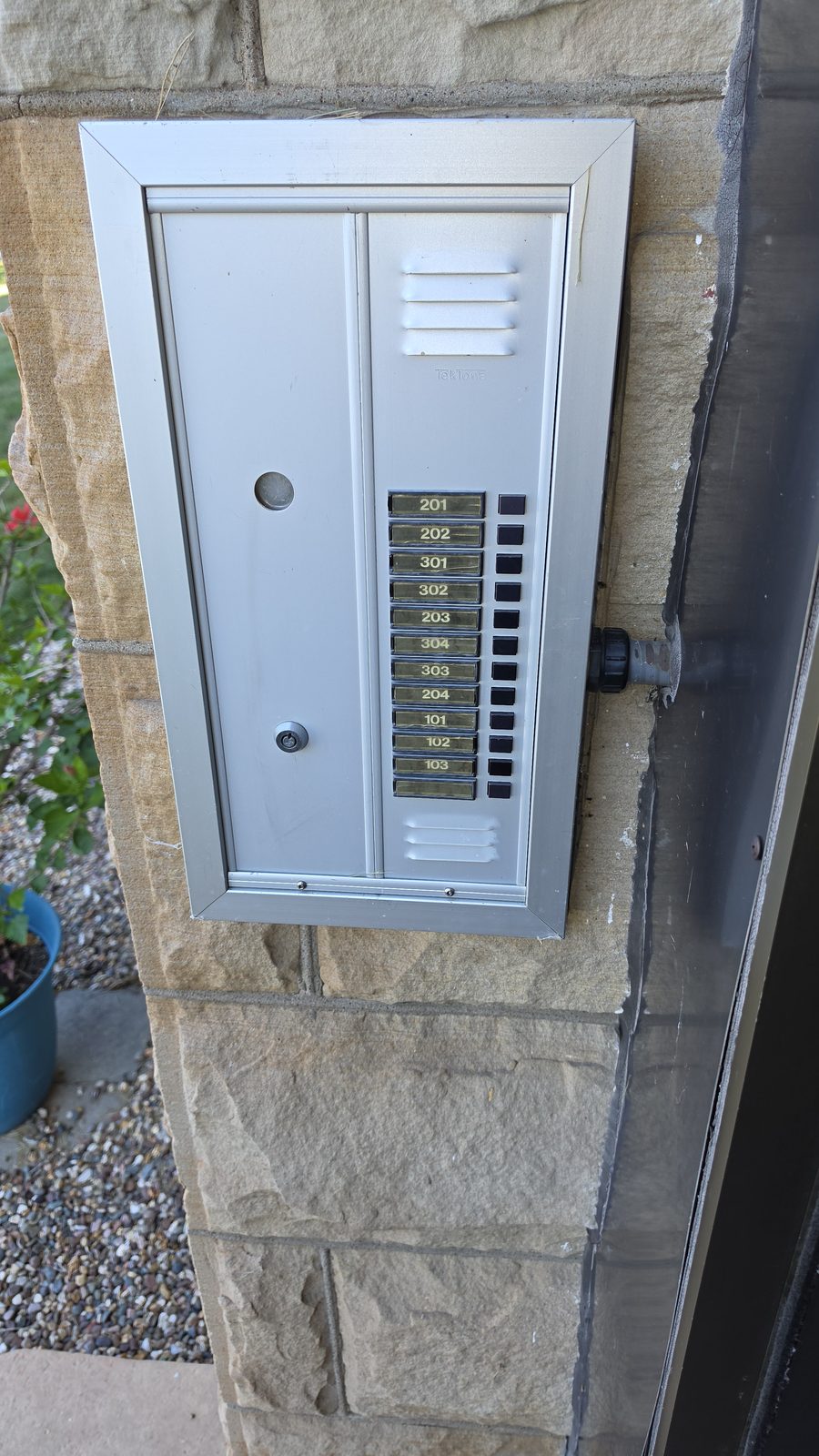
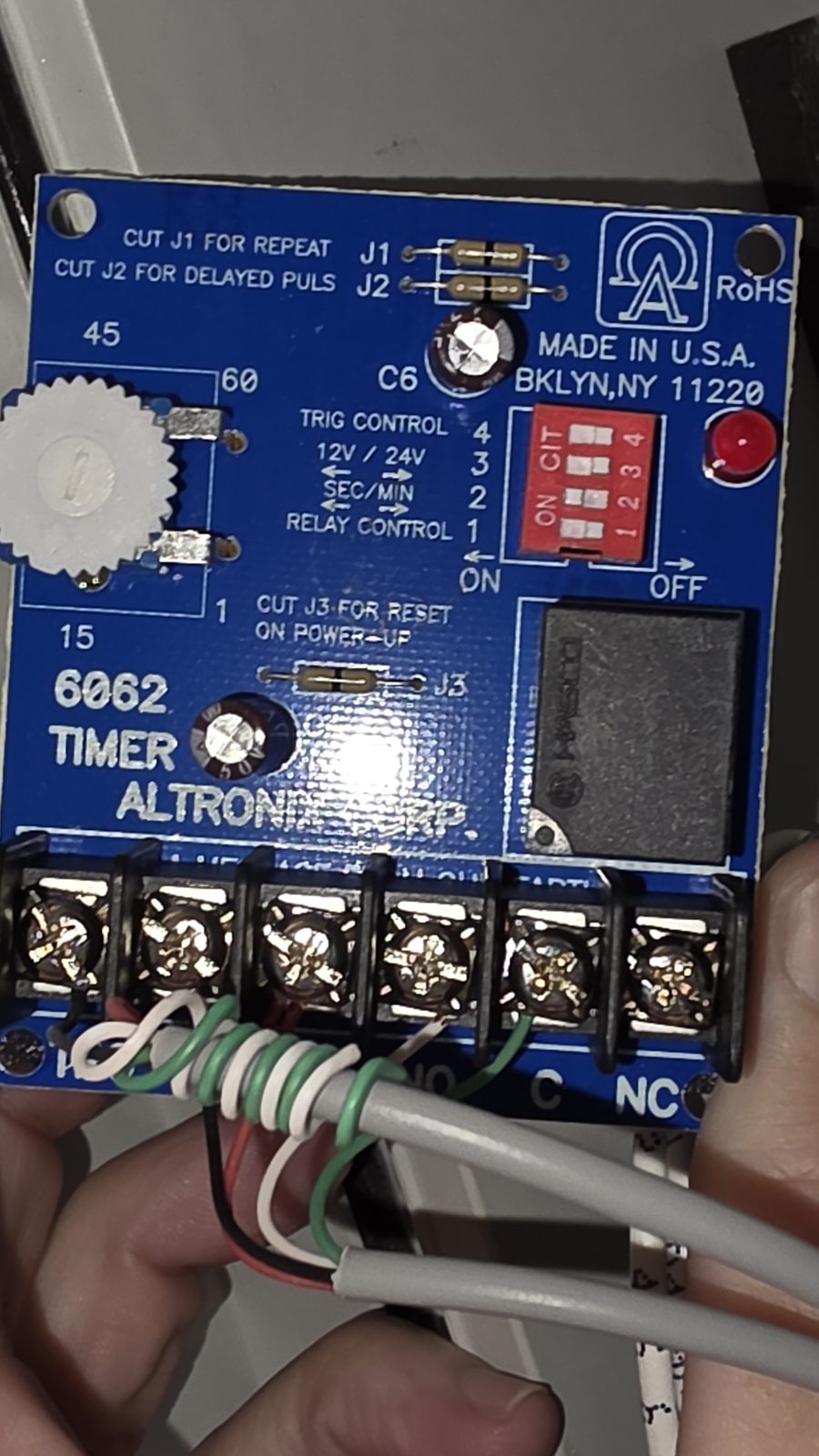
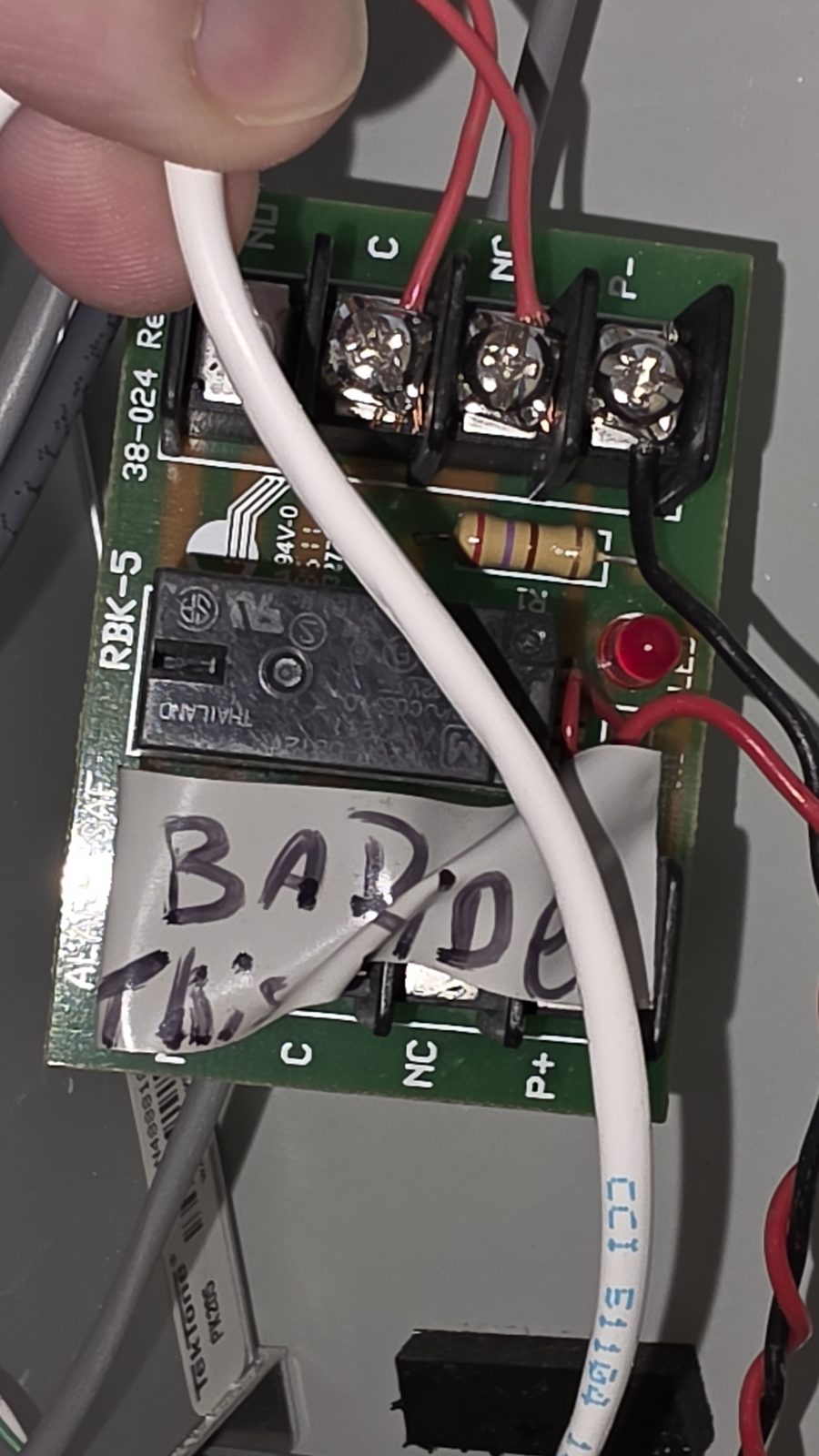
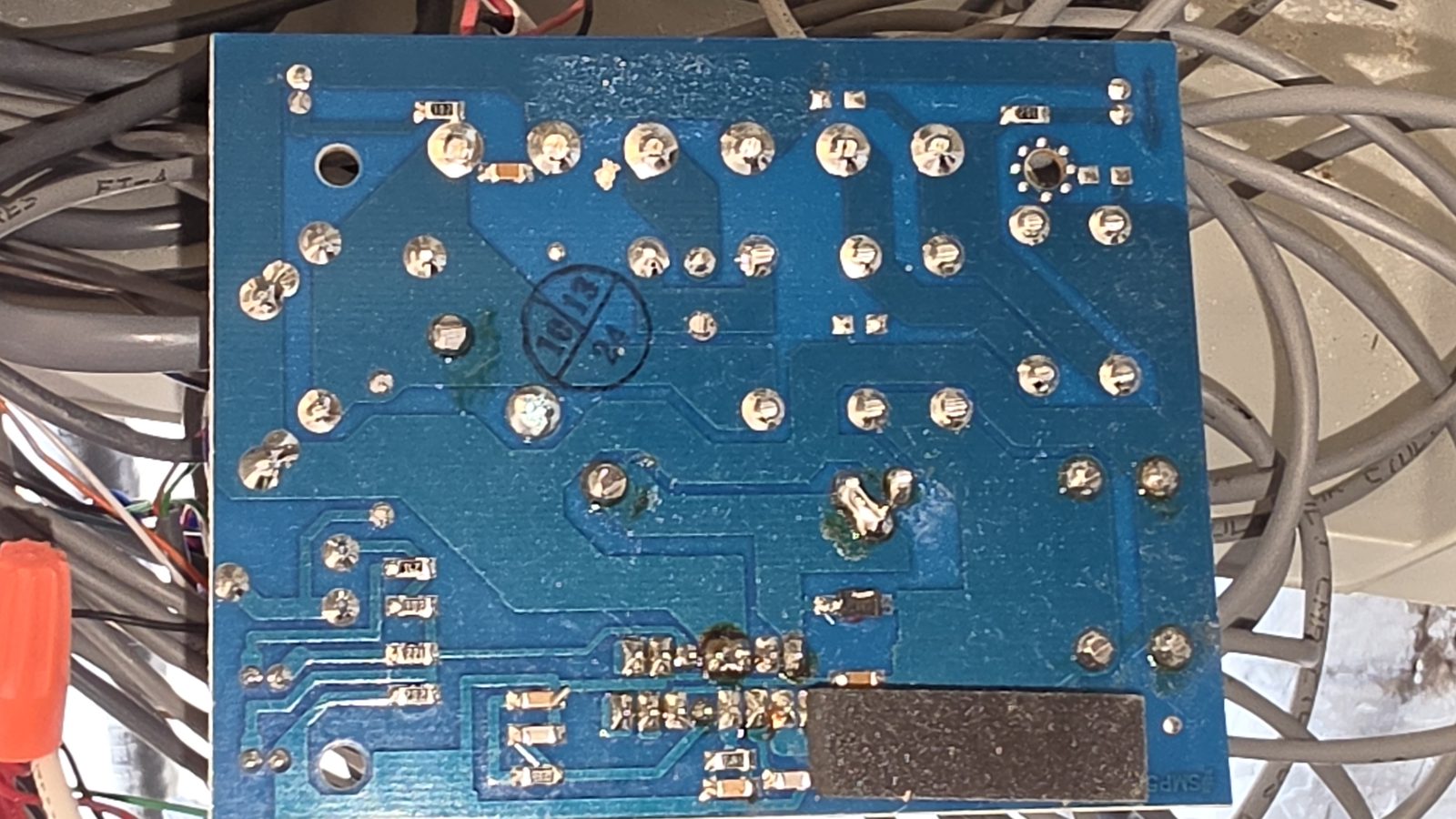
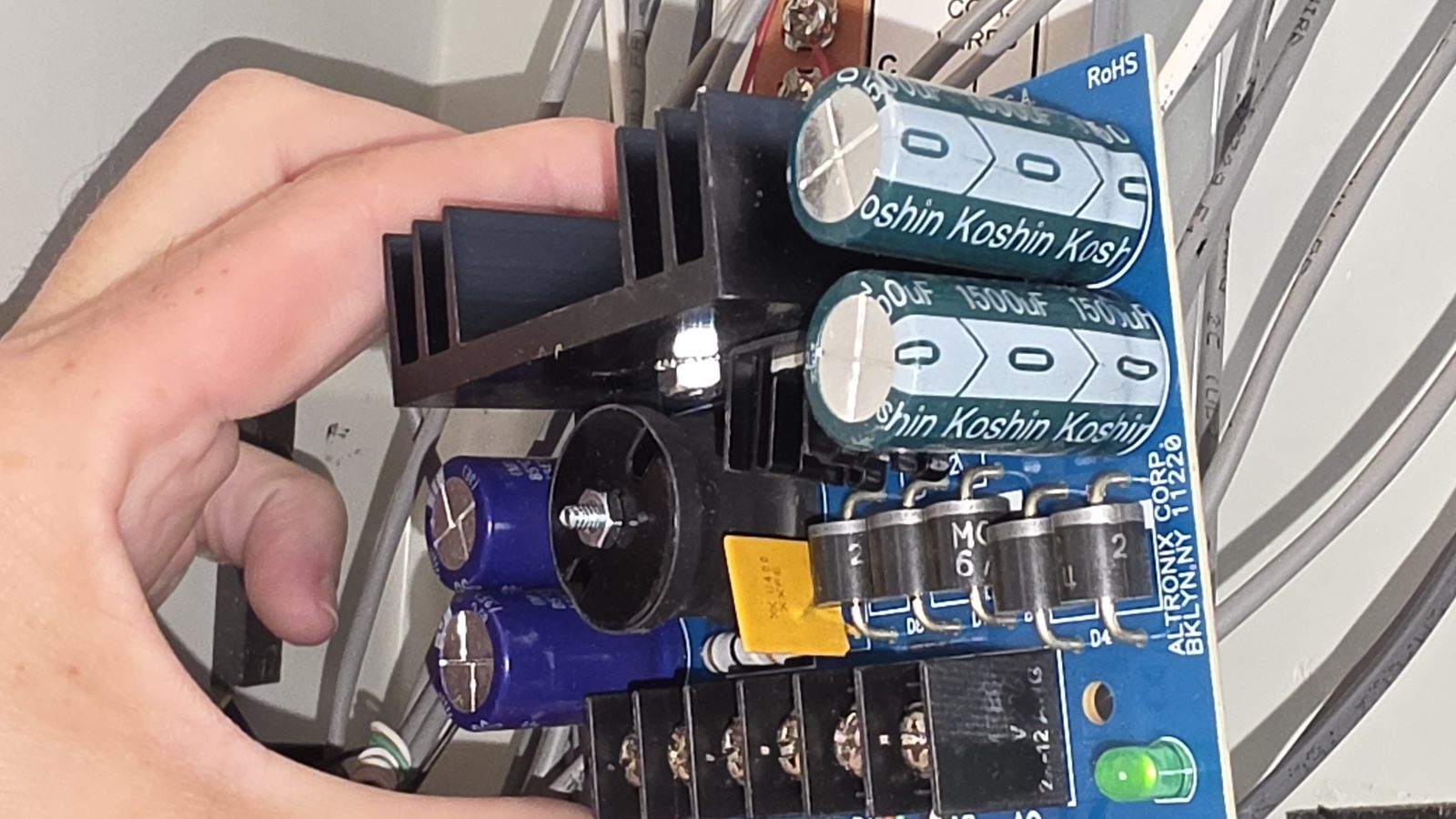
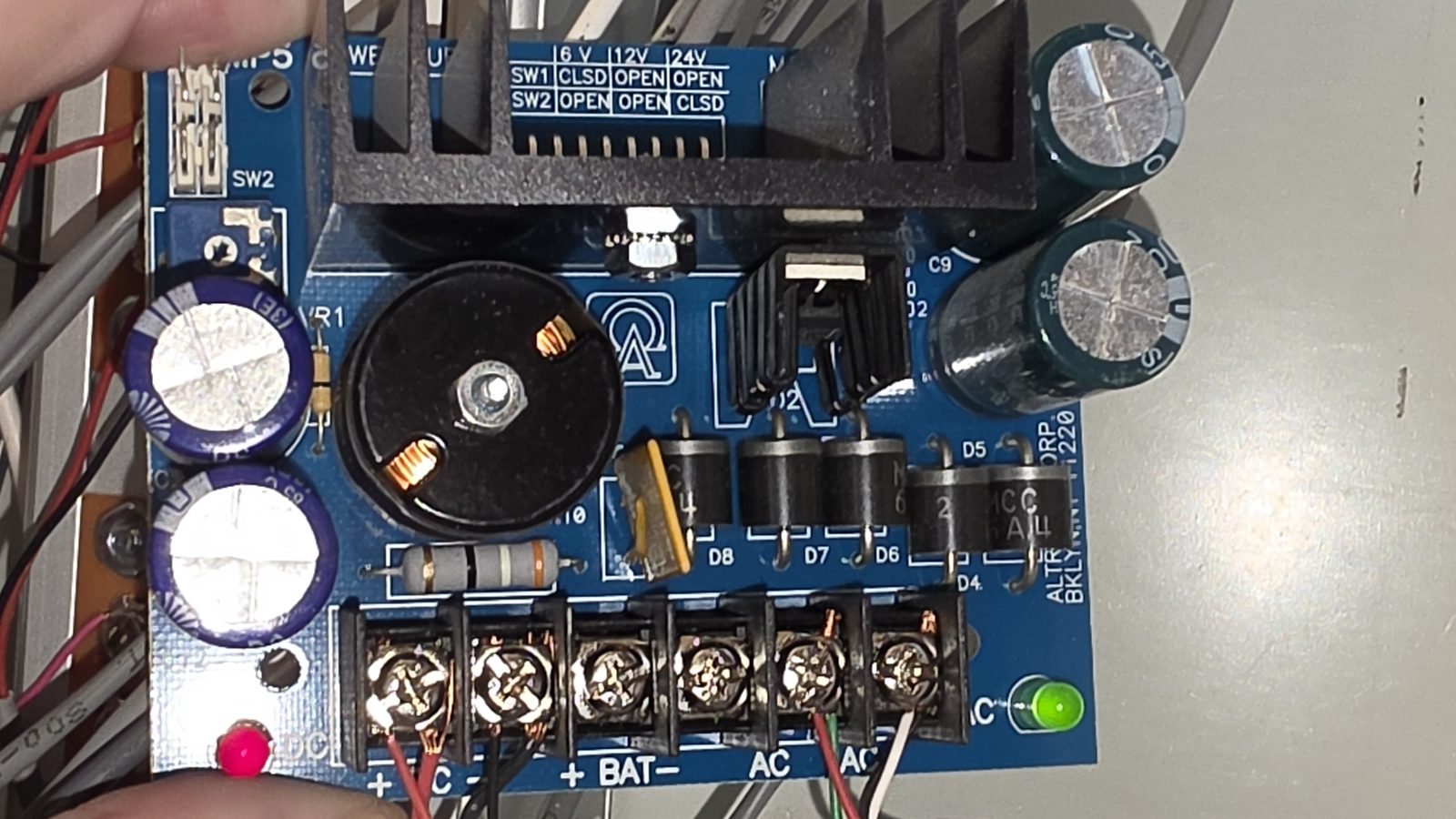
Field photos, this engagement. A 20-unit residential building; specifics kept general to protect the client.
The situation
A landlord hired me for a 20-unit residential building. The entry and intercom system went in back in 2014, and over the years the door-panel wiring degraded until it stopped doing the one job it exists to do: a tenant can no longer press a button and buzz a visitor in through the front door.
There is no documentation. No as-built drawings, no wiring schedule, no notes from whoever installed it. What is there is a TekTone IJ-series intercom, a set of Altronix power supplies and an Altronix 6062 timer, and an RBK-5 relay board that someone before me diagnosed the hard way. It is labeled by hand, in marker: “BAD, replace this.” That note is the entire maintenance history of the system.
So the starting condition is a dead system, no map, and one honest confession written on a circuit board.
What I am doing
First, I am finding out what is actually in the walls, because nobody wrote it down. I am tracing the undocumented conduit and wiring with a Fluke, run by run, to map what physically exists rather than what a manual assumes exists. Same person draws the diagram and runs the cable. In this case I am drawing the diagram after the fact, because the person who ran the cable left nothing behind.
Second, I am diagnosing the failed hardwareinstead of shotgunning parts at it. The TekTone amp board, the Altronix 6062 timer, the RBK-5 relay, the power supplies — each one gets tested and confirmed dead or alive before anything is ordered or pulled. The hand-labeled “BAD” board is a lead, not a conclusion. A recommendation nobody tests is just an opinion in a nicer font, and that applies to a marker note on a relay board as much as it applies to a slide deck.
Third, I am architecting the replacement. The core is an ESP32-based controller driving the door buzzer, doing the electromechanical work the failed relay board used to do, behind a system I can document and service. This is not a rip-and-replace of the whole building for its own sake. It is a deliberate answer to a specific failure, sized to a 20-unit building.
Fourth, I am building the software layer.A tenant app plus an admin panel, so building management can add and remove people on each apartment’s profile without a service call every time a lease turns over. I am designing it to expand to more buildings, because this landlord intends to grow their footprint, and a controller and app that only work for one building are a dead end I would rather not build.
Fifth, I am choosing the delivery layer honestly.WiFi, Bluetooth, or wired each have a real case, and the right answer depends on this building’s realities: the coverage, the concrete, the tenants, the failure modes when the internet is down and someone still needs to get through the front door. I build infrastructure, so I could sell you a server. That is exactly why it means something when I say you do not need one — and it is why I am weighing a wired fallback as seriously as the wireless options, instead of defaulting to whatever is easiest to demo.
Separately, the same landlord hired me to market their existing website and set up their SEO. Out of that work I am proposing a desktop app so they can manage their own SEO and keywords, and reach into the door system’s database from the same tool — one piece of software, on their own machine, that touches both the thing that brings them tenants and the thing that lets those tenants live there.
Why it matters
This is in progress. The conduit is not fully mapped yet, the controller is being built and not yet installed, and the app is in development. I am writing this from inside the job, not after a clean finish.
It is one engagement, from one landlord, and it spans hardware, networking, physical install, software, and consulting. I am tracing conduit with a meter and I am writing the admin panel. Most people who can architect an ESP32 controller do not own a Fluke and pull cable, and most people who pull cable do not build the tenant-facing app that rides on top of it. Here it is the same mind on both ends. Whether the broken thing is an organization or a door buzzer, I do the same work: I find what is actually there, I test it instead of assuming it, and I build the fix so the next person has the map I never got.